
Your Skin in Your 40s: What’s Actually Changing (And What to Do About It)
5 min read
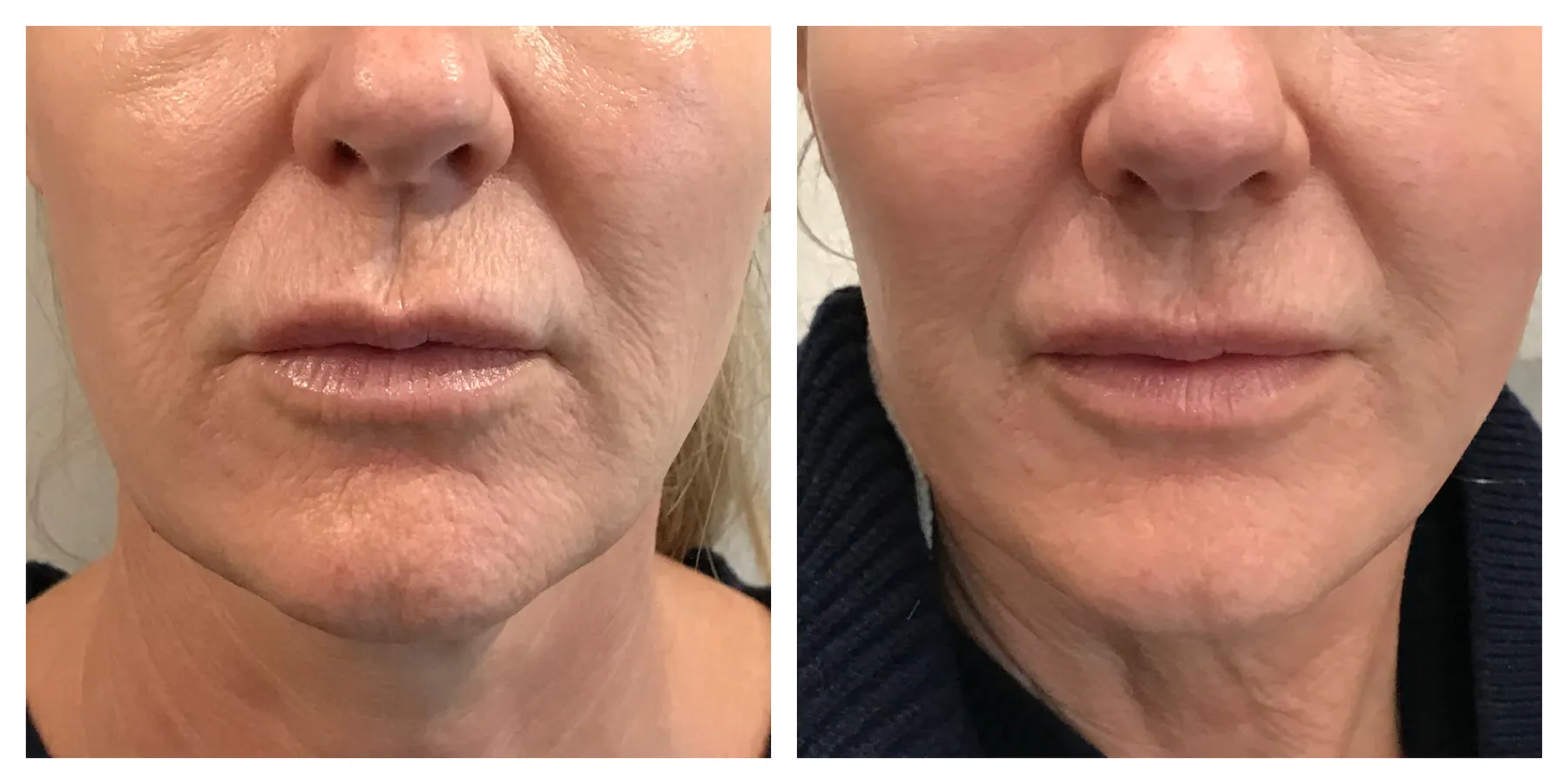
You’ve been using the same skincare routine for years. It used to work smooth, hydrated, low-maintenance skin. But somewhere in your 40s, things shifted. Fine lines that used to fade by lunchtime now stick around. Products that used to be enough suddenly aren’t. Maybe your skin’s gotten more reactive, or duller, or just different.
It’s tempting to think you’re doing something wrong. You’re not. Your skin is going through real, measurable changes in your 40s, and the routine that carried you through your 30s isn’t built to handle them.
Here’s what’s actually happening, and what a proper plan looks like.
Why Your Skin Feels Different Now
You’re losing collagen faster than you think. Collagen production has been dropping by around 1% a year since your 30s but the effects only become visible now, in your 40s. Combine that with elastin losing its stretch, and you get less firmness, more fine lines, and a texture that just doesn’t sit the same way it used to.
Your barrier isn’t as tough as it used to be. The outer layer of your skin gets thinner, ceramide levels drop, and moisture escapes faster than it used to. If your skin has suddenly become sensitive to products it has always tolerated well, this is usually why it’s not a new allergy it’s a weaker barrier that needs rebuilding.
Cell renewal has slowed down. Skin turnover drops by roughly 30% between your 30s and 40s. That’s the dullness you’re noticing, and it’s also why products don’t seem to “sink in” and work the way they used to.
Pigmentation starts showing up. Sun spots, uneven tone, and melasma all are more common now, especially if you’ve had sun exposure over the years or a family history of pigmentation. SPF alone won’t undo what’s already there.
Texture changes even without breakouts. Skin can look rougher or less smooth, even when nothing’s actually wrong underneath. On oilier skin, this gets mistaken for congestion. On drier skin, for plain dehydration. Neither is really the issue it’s the underlying structure changing.
Why Your Old Routine Isn't Cutting It Anymore
If you’re only moisturising and hoping for the best, that’s the problem. Hydration was enough in your 30s. In your 40s, your skin needs active support, not just maintenance.
A lot of people also either start avoiding certain products altogether, or swap their whole routine the moment their skin feels a bit reactive when really, their skin type hasn’t changed at all. What’s changed is the barrier, and switching everything usually sets you back further.
Consistency matters more than people expect. A serum used twice a week just won’t get you the same results as daily use.
The Approach That Actually Works: Rebuild the Barrier Then Bring in the Right Treatment
Step one — get your barrier solid again. Before anything else, your skin needs a stable foundation. A proper ceramide-based routine, like Noon, restores the lipids your skin is losing and calms down that reactivity. Skip this step and everything after it works less well.
Step two — check that your skin’s ready. Once your barrier’s settled usually 3 to 4 weeks of consistent use your skin can handle more active, in-clinic treatment without overreacting.
Step three — bring in the right in-clinic treatment. This is where Prism Plasma and AgeJet come in, and they’re not interchangeable.
- Prism Plasma uses cold atmospheric plasma technology gentle, minimal downtime, and safe across all skin tones and types. Great if you want a visible improvement in tone and texture without disappearing for a week afterwards.
- AgeJet uses nitrogen plasma to go deeper, stimulating more significant collagen remodelling. It’s the better option for more advanced concerns deeper lines, skin laxity, pigmentation, even areas like the eyelids that most other devices can’t safely treat.
Which one you need (or whether you do both, staged over time) really comes down to how advanced your concern is and how much downtime you can work with.
Step four — match the treatment to what’s actually bothering you:
- Fine lines and loss of firmness → AgeJet for deeper collagen stimulation
- Sun damage and pigmentation → AgeJet or Prism Plasma, depending on how sensitive your skin currently is
- Dullness and uneven texture → Prism Plasma for gentler, more frequent renewal
- Reactive or compromised skin → hold off on in-clinic treatment and stay on Noon until things settle
Step five — be realistic about timelines. You’ll likely notice brighter, smoother skin within 2 to 4 weeks of starting your ceramide routine. Deeper changes firmness, pigmentation, fine lines take longer, and depend on which in-clinic treatment path you’re on and how consistent you are at home. Knowing this upfront saves you from giving up too early.
What This Looks Like for Different Skin Types
Oily skin with fine lines and visible pores → Noon for barrier support without adding oil, paired with Prism Plasma for gentle resurfacing.
Dry skin with firmness loss and pigmentation → Noon as your daily non-negotiable, with AgeJet introduced once your barrier is stable. Dry skin in your 40s doesn’t respond well to inconsistency.
Combination skin that’s suddenly reactive → Barrier first. Stick with Noon until your skin calms down, then gradually introduce Prism Plasma. This usually isn’t a new skin type — it’s a weakened barrier.
Balanced skin where ageing is your only real concern → Noon plus AgeJet can be your whole plan. No need to overcomplicate it if your barrier isn’t an issue.
Additional Read: Improving the Appearance of Your Skin: The Benefits of Hyperpigmentation Treatments
Why Beautiphi Clients Trust This Approach
Your 40s don’t call for a stronger product. They call for a proper system a strong ceramide foundation at home, paired with the right in-clinic treatment for your skin’s actual needs.
At Beautiphi, that’s exactly how we plan every treatment we look at your skin, your history, and your goals before recommending anything, rather than pushing a one-size-fits-all fix.
If you’re not sure where to start, that’s exactly what a consultation is for. We’ll assess your skin and build a plan that actually fits.
Keep reading
All blog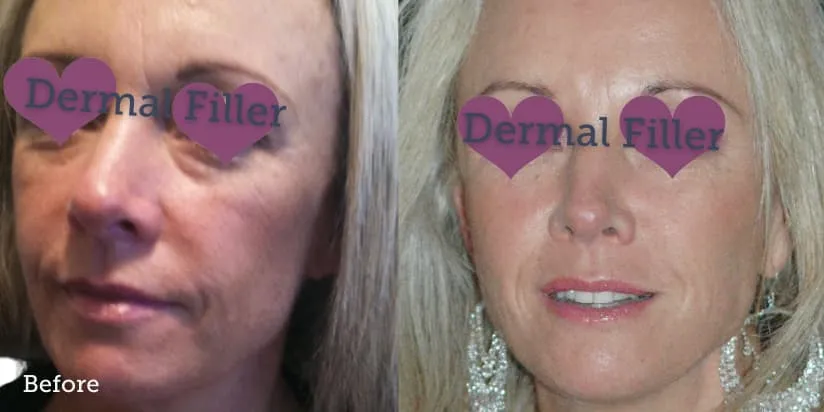
What Is a Microdose of Filler? The Natural Approach to Facial Rejuvenation
“Less is more” isn’t just a design philosophy — in the world of aesthetic medicine, it’s becoming the gold standard for beautiful, believable results. If you’ve ever looked in the mirror and wished you could look just a little more refreshed — without anyone being able to tell why — then microdosing filler might be … What Is a Microdose of Filler? The Natural Approach to Facial Rejuvenation…
Is Your Body Becoming Resistant to Botox? Here’s What You Need to Know
You’ve been getting Botox for a couple of years. The first few treatments were fantastic — smooth forehead, softened frown lines, a refreshed look that lasted months. But lately, something’s changed. The results don’t seem to last as long. Or maybe you’re not seeing much difference at all. It’s tempting to assume the worst — … Is Your Body Becoming Resistant to Botox? Here’s What You Need to Know…
Everything You Want to Know About Dermaplaning
Dermaplaning is the new it-thing in skincare and recently hugely popular on social media. Here is all that you need to know about it! What’s Dermaplaning? Dermaplaning is basically an exfoliation of the skin that removes peach fuzz by using a thin scalpel. It helps remove dirt and dead skin from the topmost layer of … Everything You Want to Know About Dermaplaning…
For more information or to make a booking
Book online in a couple of minutes, or call the clinic and our team will help you choose the right treatment.