
Is Your Body Becoming Resistant to Botox? Here’s What You Need to Know
7 min read
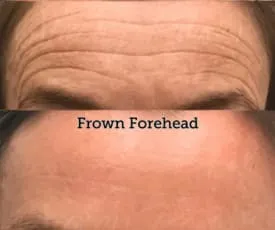
You’ve been getting Botox for a couple of years. The first few treatments were fantastic — smooth forehead, softened frown lines, a refreshed look that lasted months. But lately, something’s changed. The results don’t seem to last as long. Or maybe you’re not seeing much difference at all.
It’s tempting to assume the worst — “My body is immune to Botox.”
The good news? True Botox resistance is extremely rare. The better news? Most cases where Botox appears to stop working have straightforward, fixable explanations. In this guide, we’ll walk you through everything you need to know about Botox resistance — what it is, what it isn’t, why it happens, how to prevent it, and what to do if you’re experiencing it.
What Is Botox Resistance?
Botox resistance — also called Botox immunity — occurs when a patient’s immune system produces antibodies that neutralise botulinum toxin type A (the active ingredient in Botox and similar injectables). When this happens, the antibodies intercept the toxin before it can reach the target muscle and block muscle contraction. The result is little to no effect from treatment, even with correct placement and dosing.
There are two distinct types:
- True (immunological) resistance — the body has formed neutralising antibodies against the botulinum toxin. This is rare but real.
- Functional (non-immunological) resistance — the product isn’t working as expected due to technique, dilution, storage, dosage, or the patient’s individual metabolism. This is far more common — and far more within your control.
Understanding which type you’re dealing with is the critical first step.
How Common Is Botox Resistance?
True Botox resistance is surprisingly uncommon. Research suggests that true immunological resistance to botulinum toxin treatments is uncommon. However, reported rates vary depending on the patient population, treatment indication, and study design. In most cases where treatment appears less effective over time, factors other than true antibody-mediated resistance are more likely to be involved.
However, partial resistance — where treatments gradually become less effective or require higher doses to achieve the same result — is more frequently observed, particularly in:
- Patients who have received Botox regularly for many years
- Those who receive high doses in a single session
- Patients who receive botulinum toxin treatments for multiple indications, such as both cosmetic and therapeutic purposes.
- Younger patients who start treatments early and accumulate higher lifetime doses
The takeaway — if your Botox seems to be losing its punch, true immunity is probably not the culprit — but it’s worth investigating with a qualified clinician.
Signs You May Be Experiencing Botox Resistance
Watch for these patterns across multiple treatment sessions:
- Reduced duration — results that used to last 3–4 months now fade within 6–8 weeks
- Dose creep — you need progressively more units to see the same outcome
- Incomplete effect — targeted muscles still show significant movement after treatment
- No effect at all — in rare cases of complete resistance, there is no discernible change
It’s important to track these patterns over several sessions, not just one. A single underwhelming treatment can have many explanations (see below).
Why Does Botox Stop Working? Common Non-Resistance Reasons
Before assuming resistance, consider these far more common possibilities:
1. Underdosing
This is the most frequent explanation. Every face is different — muscle mass, movement patterns, and metabolism vary significantly from person to person. What works for one person may be insufficient for another. A qualified injector will titrate your dose over multiple sessions to find your personal sweet spot.
2. Product Handling or Storage Issues
Botox is a delicate protein. Improper storage (exposure to heat, light, or freezing) or incorrect reconstitution can degrade the toxin before it’s even injected. This is a clinic-side issue, and one reason choosing a reputable, medically-led practice matters enormously.
3. Technique and Injection Placement
Even with the right dose, incorrect placement can mean the toxin doesn’t reach the intended muscle. This is a skill issue, not a biology issue.
4. Fast Metabolism
Some individuals simply metabolise botulinum toxin more quickly than the average person. Their results are genuine but shorter-lived — typically 6–8 weeks rather than 3–4 months. More frequent treatments (rather than higher doses) may be the answer.
5. Timing Expectations
Botox takes 7–14 days to reach its full effect. Assessing results too early — or comparing day 3 to what you remember from 6 weeks post-treatment last time — can create a false impression of reduced efficacy.
The Science Behind True Resistance: Immunogenicity
When true resistance does occur, the mechanism is immunogenicity — the body’s immune system recognising botulinum toxin as a foreign substance and mounting a defence.
Botox formulations don’t just contain the active toxin; they also contain accessory proteins called Neurotoxin Associated Proteins (NAPs), which help stabilise and protect the toxin. Some researchers believe that accessory proteins may contribute to the immune response in certain individuals, although the exact mechanisms and clinical significance remain under investigation. Over time, with repeated exposure, those antibodies can extend to target the toxin itself.
Different botulinum toxin brands vary in their NAP content, which influences their immunogenic potential:
Brand | Type | General Characteristics |
Botox® | OnabotulinumtoxinA | Widely used aesthetic and therapeutic botulinum toxin product |
Dysport® | AbobotulinumtoxinA | Often noted for a potentially faster onset in some patients |
Xeomin® | IncobotulinumtoxinA | Purified formulation that does not contain complexing proteins |
Relfydess® / Daxxify® | DaxibotulinumtoxinA | Newer formulation designed for extended duration in some patients |
Note: All four are registered in New Zealand.
Strategies That May Help Reduce the Risk of Botox Resistance
The good news is that smart treatment planning can significantly reduce your risk:
Space Out Your Treatments
Resistance is closely tied to the frequency and volume of exposure to toxins. Treatments every 3–4 months (as your results naturally wear off) give your immune system adequate time to “forget” the previous exposure. Shortening intervals unnecessarily increases immunogenic risk.
Avoid High Doses in a Single Session
Where clinically appropriate, splitting large-dose treatments across multiple appointments reduces the antigenic load presented to the immune system at any one time.
Consolidate Aesthetic and Therapeutic Treatments
If you use Botox for both cosmetic purposes and a medical condition (such as migraines or excessive sweating), discuss with your clinic how to coordinate treatments to minimise cumulative dose.
Consider Lower-NAP Formulations from the Start
Some practitioners may consider different botulinum toxin formulations depending on a patient’s treatment goals, medical history, and anticipated long-term treatment plan. The most suitable option should be determined through an individual consultation. Speak to your practitioner about whether this is appropriate for you.
Choose an Experienced, Medically-Led Clinic
Proper dose calibration, correct storage, precise injection technique, and thoughtful treatment planning are all practitioner-dependent variables. These matter enormously.
What to Do If You Think You’re Resistant
If you genuinely suspect resistance — especially after ruling out the non-immunological causes above — here are your options:
1. Switch Botulinum Toxin Brands
If reduced responsiveness is suspected, your practitioner may discuss whether an alternative botulinum toxin formulation is appropriate. Treatment decisions should be based on a comprehensive assessment of your treatment history and clinical response.
2. Consider a Toxin Holiday
A structured period off all botulinum toxin treatments (typically 6–12 months) can allow antibody levels to diminish, potentially restoring sensitivity. This should be discussed and monitored with your practitioner.
3. Discuss Alternative Formulations With Your Practitioner
In some cases, a practitioner may recommend exploring alternative formulations or treatment approaches depending on your individual circumstances.
4. Last Resort: Myobloc (BoNT/B)
In cases of genuine, confirmed complete resistance to all type-A toxins, Myobloc — a botulinum toxin type B formulation — may be considered. This is rare and typically reserved for therapeutic (non-cosmetic) applications.
5. Explore Alternative Aesthetic Treatments
If botulinum toxin is not an option, modern aesthetics offers a range of effective alternatives for facial rejuvenation, including:
- Dermal fillers — to restore volume and smooth static lines
- Biostimulators (e.g., Sculptra, Radiesse) — to stimulate collagen production
- Profhilo — a skin bio-remodelling treatment for skin quality and hydration
- The Secret RF Microneedling — for skin texture and rejuvenation
- PRT (Platelet-Rich Therapy) — harnessing your body’s own growth factors
At Beautiphi, we offer all of these and can tailor a treatment plan around your specific goals and biology.
Testing for Botox Resistance
Blood tests can check for neutralising antibodies, but their reliability is limited. While blood tests can detect neutralising antibodies, results do not always correlate perfectly with clinical response. For this reason, diagnosis typically involves a combination of clinical assessment, treatment history, and, where appropriate, additional testing. We don’t yet have a sufficiently sensitive test to diagnose or rule out immunological resistance definitively.
In practice, the most meaningful diagnostic tool remains a careful clinical assessment: reviewing your treatment history, dose progression, and response pattern over time.
A Note for Long-Term Botox Users
If you’ve been receiving anti-wrinkle injections for five years or more, this isn’t cause for alarm — it’s simply a reason to have a considered conversation with your practitioner about your treatment history and goals.
At Beautiphi, our approach has always been about achieving natural, sustainable results through responsible dosing and personalised planning. We’re here to help you get the most from your treatments — both now and over the long term.
The Bottom Line
Botox resistance is real, but it’s rare. If your treatments seem less effective than they used to be, the most likely explanation is something fixable — underdosing, technique, metabolism, or lifestyle factors. True immunological resistance requires a different conversation and a different strategy.
The most important step you can take is to talk to us at Beautiphi — we can assess your individual history and create a plan tailored to you.
Book a Consultation at Beautiphi
If you’re concerned about your Botox results — or you’re simply looking for a considered, personalised approach to anti-ageing treatment — we’d love to help.
Beautiphi is Auckland’s specialist in appearance medicine and non-surgical treatments. Our experienced team takes the time to understand your goals, your history, and your biology, so every treatment decision is made with your long-term skin health in mind.
This article is for informational purposes only and does not constitute medical advice. Always consult a qualified medical professional before making decisions about cosmetic treatments.
Keep reading
All blog
Your Skin in Your 40s: What’s Actually Changing (And What to Do About It)
Your 40s are a turning point for your skin. Natural collagen and elastin decline, cell turnover slows, the skin barrier weakens, and pigmentation becomes more noticeable making your long-standing skincare routine less effective than it once was. Rather than relying on heavier moisturisers or constantly switching products, the most effective approach is to first restore your skin barrier with a ceramide-rich routine, then introduce targeted treatments based on your specific concerns. Gentle options like Prism Plasma can improve texture and radiance with minimal downtime, while AgeJet delivers deeper collagen remodelling for wrinkles, skin laxity, and pigmentation. At Beautiphi, every treatment plan begins with a personalised skin assessment, ensuring you receive the right combination of at-home skincare and advanced in-clinic treatments for healthier, stronger, and more youthful-looking skin.
What Is a Microdose of Filler? The Natural Approach to Facial Rejuvenation
“Less is more” isn’t just a design philosophy — in the world of aesthetic medicine, it’s becoming the gold standard for beautiful, believable results. If you’ve ever looked in the mirror and wished you could look just a little more refreshed — without anyone being able to tell why — then microdosing filler might be … What Is a Microdose of Filler? The Natural Approach to Facial Rejuvenation…
Everything You Want to Know About Dermaplaning
Dermaplaning is the new it-thing in skincare and recently hugely popular on social media. Here is all that you need to know about it! What’s Dermaplaning? Dermaplaning is basically an exfoliation of the skin that removes peach fuzz by using a thin scalpel. It helps remove dirt and dead skin from the topmost layer of … Everything You Want to Know About Dermaplaning…
For more information or to make a booking
Book online in a couple of minutes, or call the clinic and our team will help you choose the right treatment.