
Everything You Want to Know About Dermaplaning
3 min read
Dermaplaning is the new it-thing in skincare and recently hugely popular on social media. Here is all that you need to know about it!
What’s Dermaplaning?
Dermaplaning is basically an exfoliation of the skin that removes peach fuzz by using a thin scalpel. It helps remove dirt and dead skin from the topmost layer of the face, thus helping to rejuvenate the skin.
How does Dermaplaning work?
So, the way this procedure works is that the Beauty professional will use a razor-like tool, and slowly drag it along your skin to remove all the dead skin cells and dirt that make your skin look dull and appear uneven.
Everyday exposure to pollutants and harsh environmental toxins makes the skin dull and older looking. Dermaplaning takes it all off, leaving the skin immediately fresher and healthier.
Who Is Dermaplaning Best For?
Dermaplaning can be a suitable option for people who want smoother, brighter-looking skin without downtime. It may be ideal for:
- Individuals with dry or rough skin texture
- People with mild sun damage
- Those who want better makeup application
- Clients looking to improve product absorption.
- Anyone preparing for a special event and wanting an instant glow
However, it may not be suitable for everyone. A professional consultation is important before treatment.
Who Should Avoid Dermaplaning?
Dermaplaning may not be recommended if you have:
- Active acne or inflamed breakouts
- Rosacea or highly sensitive skin
- Eczema or psoriasis on the face
- Recent chemical peel or laser treatment
- Recently used strong retinoids or isotretinoin.
Treating compromised skin can increase irritation or risk of infection. A skin assessment ensures the treatment is safe for you.
What to Expect During a Dermaplaning Session
The treatment typically takes 30–45 minutes. After cleansing the skin, a trained professional uses a sterile surgical blade at a precise angle to gently remove dead skin cells and fine facial hair.
The procedure is generally comfortable. You may feel a light scraping sensation, but it is not usually painful.
There is no downtime, though mild redness may persist for a few hours after treatment.
Most clients repeat dermaplaning every 3–4 weeks to maintain results.
Drawbacks of Dermaplaning
Although Dermaplaning is quite popular, it does have a few drawbacks, such as irritation to the skin after the procedure, dryness, and skin sensitivity from sunlight exposure. If done by an inexperienced practitioner, Dermaplaning might cause a few minor yet mostly unnoticeable cuts.
Another risk of Dermaplaning, as explained by skin care professionals in New Zealand, is that the skin might appear patchy and differently pigmented in certain areas. Some people may even develop whiteheads on their faces a few days after the procedure.
So, to sum it up for you:
Pros:
- It is cheap and quick. It is an easy-to-do procedure that can be done at home by anyone with proper care.
- Makeup applies better. When dead skin cells and debris are removed from the skin, makeup looks so much smoother. Skincare products also get absorbed more efficiently, and makeup sets firmly on the skin and gives it an overall better finish.
- Myth-busting time: Hair growth is not affected. Dermaplaning does not make the hair grow thicker.
Cons:
- It will not help with hair growth. Unlike waxing your hair, which may decrease hair growth in some areas, Dermaplaning does not.
- One might overdo it, which can cause irritation and burn on some skin areas.
- If not done properly, you can cut or scar your skin. This can lead to infections of the skin and breakouts.
Conclusion:
In conclusion, Dermaplaning is a safe procedure when done by professionals.
Keep reading
All blog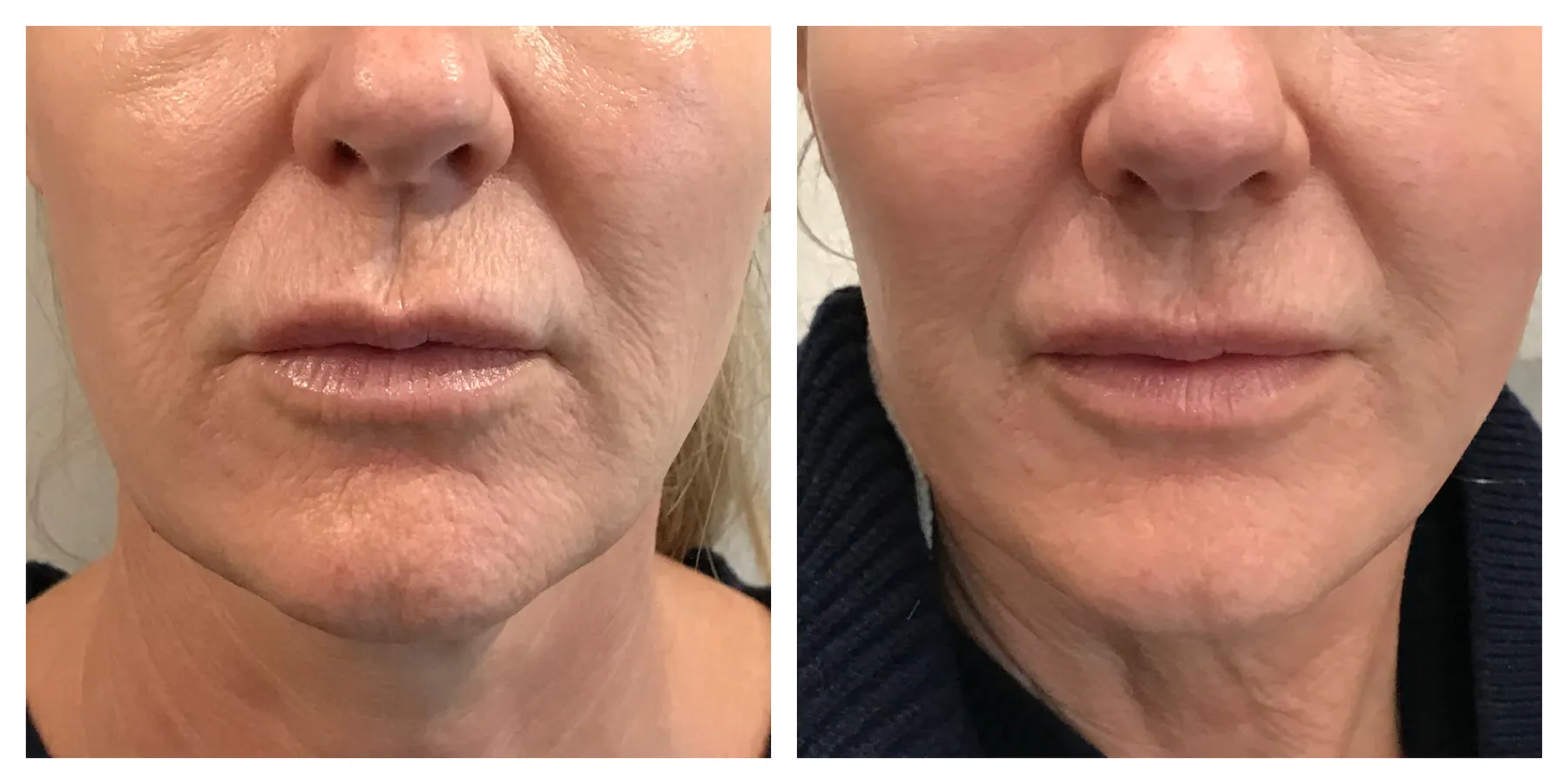
Your Skin in Your 40s: What’s Actually Changing (And What to Do About It)
Your 40s are a turning point for your skin. Natural collagen and elastin decline, cell turnover slows, the skin barrier weakens, and pigmentation becomes more noticeable making your long-standing skincare routine less effective than it once was. Rather than relying on heavier moisturisers or constantly switching products, the most effective approach is to first restore your skin barrier with a ceramide-rich routine, then introduce targeted treatments based on your specific concerns. Gentle options like Prism Plasma can improve texture and radiance with minimal downtime, while AgeJet delivers deeper collagen remodelling for wrinkles, skin laxity, and pigmentation. At Beautiphi, every treatment plan begins with a personalised skin assessment, ensuring you receive the right combination of at-home skincare and advanced in-clinic treatments for healthier, stronger, and more youthful-looking skin.
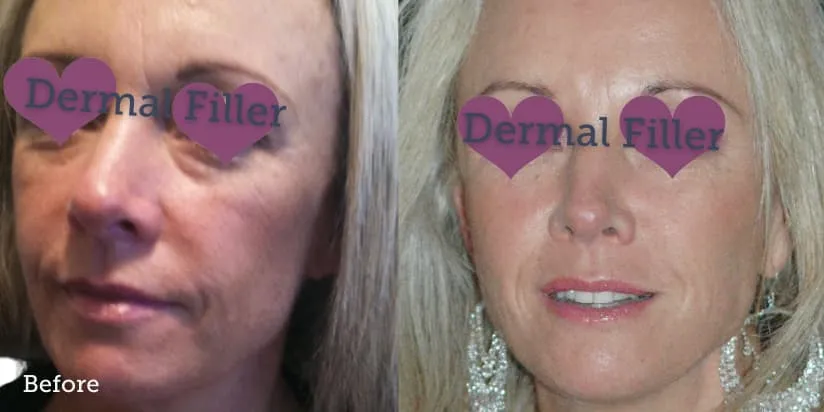
What Is a Microdose of Filler? The Natural Approach to Facial Rejuvenation
“Less is more” isn’t just a design philosophy — in the world of aesthetic medicine, it’s becoming the gold standard for beautiful, believable results. If you’ve ever looked in the mirror and wished you could look just a little more refreshed — without anyone being able to tell why — then microdosing filler might be … What Is a Microdose of Filler? The Natural Approach to Facial Rejuvenation…
Is Your Body Becoming Resistant to Botox? Here’s What You Need to Know
You’ve been getting Botox for a couple of years. The first few treatments were fantastic — smooth forehead, softened frown lines, a refreshed look that lasted months. But lately, something’s changed. The results don’t seem to last as long. Or maybe you’re not seeing much difference at all. It’s tempting to assume the worst — … Is Your Body Becoming Resistant to Botox? Here’s What You Need to Know…
For more information or to make a booking
Book online in a couple of minutes, or call the clinic and our team will help you choose the right treatment.