
Skincare Sober-Up: Understanding Alcohol’s Effects on Skin and How to Rejuvenate Post-Cocktails
4 min read
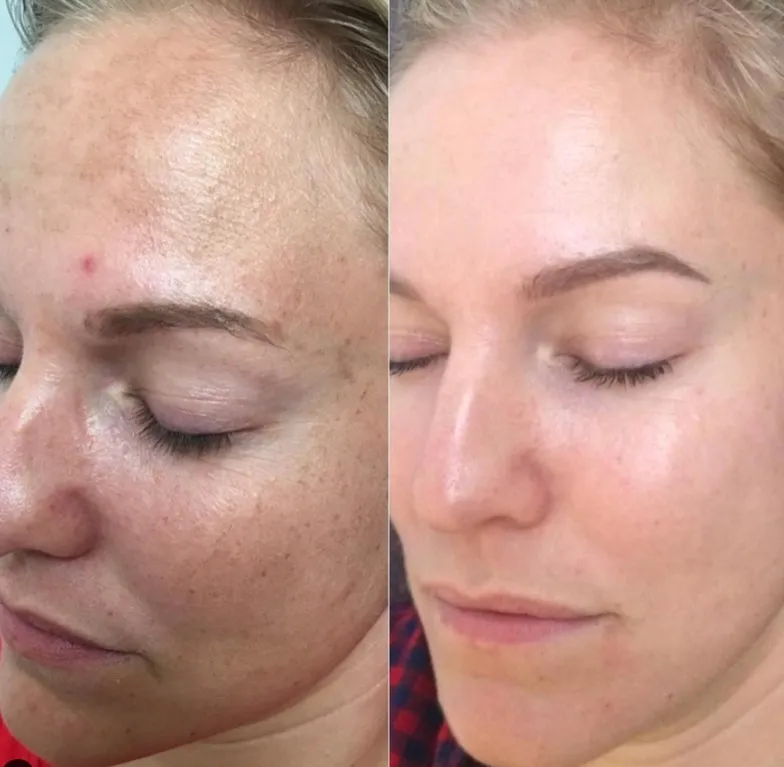
Alcohol, a societal staple, has unintended consequences for skin health. While it may provide temporary relief, its consumption frequently results in dehydration, inflammation, and premature ageing. Understanding these effects is critical to maintaining skin vitality.
By investigating alcohol’s effects on hydration, inflammation, and collagen breakdown, we uncover the importance of moderation and skincare mindfulness. Individuals can reduce the negative effects of alcohol by making informed choices and promoting skin wellness while indulging. This discussion examines the complex relationship between alcohol and skin, advocating for balanced consumption and nurturing self-care practices to maintain skin health and radiance.How alcohol affects the skin in major ways
Alcohol has significant effects on the skin. It dehydrates the skin, leaving it dry and dull. Alcohol can cause redness and swelling because it dilates blood vessels near the skin. It accelerates skin ageing by breaking down collagen and elastin, resulting in wrinkles and sagging. Alcohol also slows wound healing and can aggravate skin conditions like acne and eczema due to inflammation. Some of the effects of alcohol are detailed below:
Dehydration
Alcohol’s diuretic properties cause dehydration, which has a significant impact on the skin. When alcohol enters the body, it causes the kidneys to produce more urine, resulting in increased fluid loss. This dehydration affects internal processes and external tissues, such as the skin. When the body is deprived of moisture, the skin loses its natural hydration, resulting in dryness and a lacklustre appearance.
Dehydrated skin typically feels tight, rough, and uncomfortable. It may appear dull and flaky, which highlights fine lines and wrinkles. With adequate moisture, the skin’s ability to function optimally is maintained. The skin’s protective barrier, which normally retains moisture and protects against external aggressors, weakens in dehydration. As a result, the skin becomes more sensitive to environmental stressors, pollutants, and irritants, worsening dryness and discomfort.
Inflammation And Irritation
Alcohol consumption can lead to inflammation and irritation of the skin, aggravating existing skin conditions and causing discomfort. When alcohol enters the body, it triggers inflammatory responses that can manifest externally on the skin’s surface. Inflammation is the body’s natural defence mechanism against harmful stimuli, but excessive alcohol consumption can disrupt this process, leading to chronic inflammation and skin irritation.
Acne, rosacea, and eczema can all be amplified by inflammatory responses, which cause redness, swelling, and discomfort. Alcohol-induced inflammation can aggravate symptoms in people with sensitive skin, making it more prone to itching, burning, and stinging sensations.
Alcohol’s inflammatory effects also compromise the skin’s barrier function, weakening its ability to protect against environmental aggressors and pathogens. This can increase vulnerability to irritants and allergens, worsening inflammation and irritation.
Moreover, alcohol-induced inflammation can contribute to premature skin ageing by triggering the breakdown of collagen and elastin, proteins essential for maintaining skin elasticity and firmness. Over time, chronic inflammation can accelerate the formation of wrinkles, fine lines, and other signs of ageing, diminishing skin health and appearance.
Dilation of blood vessels
Alcohol consumption frequently causes dilation of blood vessels in the skin, which can result in visible redness and flushing. When alcohol enters the bloodstream, it causes blood vessels near the skin’s surface to dilate, increasing blood flow to the skin. This dilation of blood vessels causes the characteristic flushed appearance associated with alcohol consumption.
For individuals with conditions such as rosacea, a chronic skin disorder characterised by facial redness and visible blood vessels, alcohol-induced dilation can amplify symptoms and trigger flare-ups. The expanded blood vessels may remain dilated for an extended period, contributing to persistent redness and discomfort.
Moreover, dilating blood vessels can lead to uneven skin tone and blotchiness, detracting from the skin’s overall appearance. While the effects of alcohol-induced vasodilation are typically temporary, chronic alcohol consumption can result in prolonged and more pronounced dilation, further intensifying skin redness and flushing over time.
Skin Ageing
Alcohol consumption can contribute to skin ageing by speeding up the breakdown of collagen and elastin, two essential proteins that keep skin firm and elastic. Collagen and elastin provide structural support for the skin, making it appear smooth, plump, and youthful. However, excessive alcohol consumption can impair the production and function of these proteins, resulting in premature ageing.
Alcohol promotes the production of free radicals, unstable molecules that can harm cellular structures such as collagen and elastin fibres. Free radical damage, also known as oxidative stress, weakens the skin’s structural integrity and speeds up the development of wrinkles, fine lines, and sagging skin.
Additional Read – What Treatments are Available for Drooping and Sagging Cheeks?
It can lead to complications during skin procedures
Alcohol can not only harm the skin but also complicate skin treatment and procedures. It affects blood clotting, immune function, and healing processes. Common concerns include increased bleeding risk, delayed wound healing, and a compromised immune response. Alcohol’s interference with anesthesia further heightens the risk of unpredictable reactions during procedures.
How to maintain healthy skin while enjoying the occasional drink
Having good skin and indulging in an occasional drink is possible by implementing mindful habits and skincare routines:- Staying hydrated is important—drinking water before, during, and after alcohol use helps prevent the skin’s drying effects.
- Drinking alcohol in moderation and within recommended limits will help to reduce its negative effects on skin health.
- Decrease skin inflammation and ageing by choosing clear liquors and steering clear of sugary mixers.
- Antioxidant-rich, well-balanced diets promote skin repair and guard against alcohol-induced oxidative stress.
- Maintaining the integrity of the skin barrier and preventing dryness requires regular skincare practices that include cleansing, moisturising, and sun protection.
- Making sure you get enough sleep and paying attention to how your body reacts to alcohol can help you make changes to your skincare and alcohol consumption habits.
Keep reading
All blog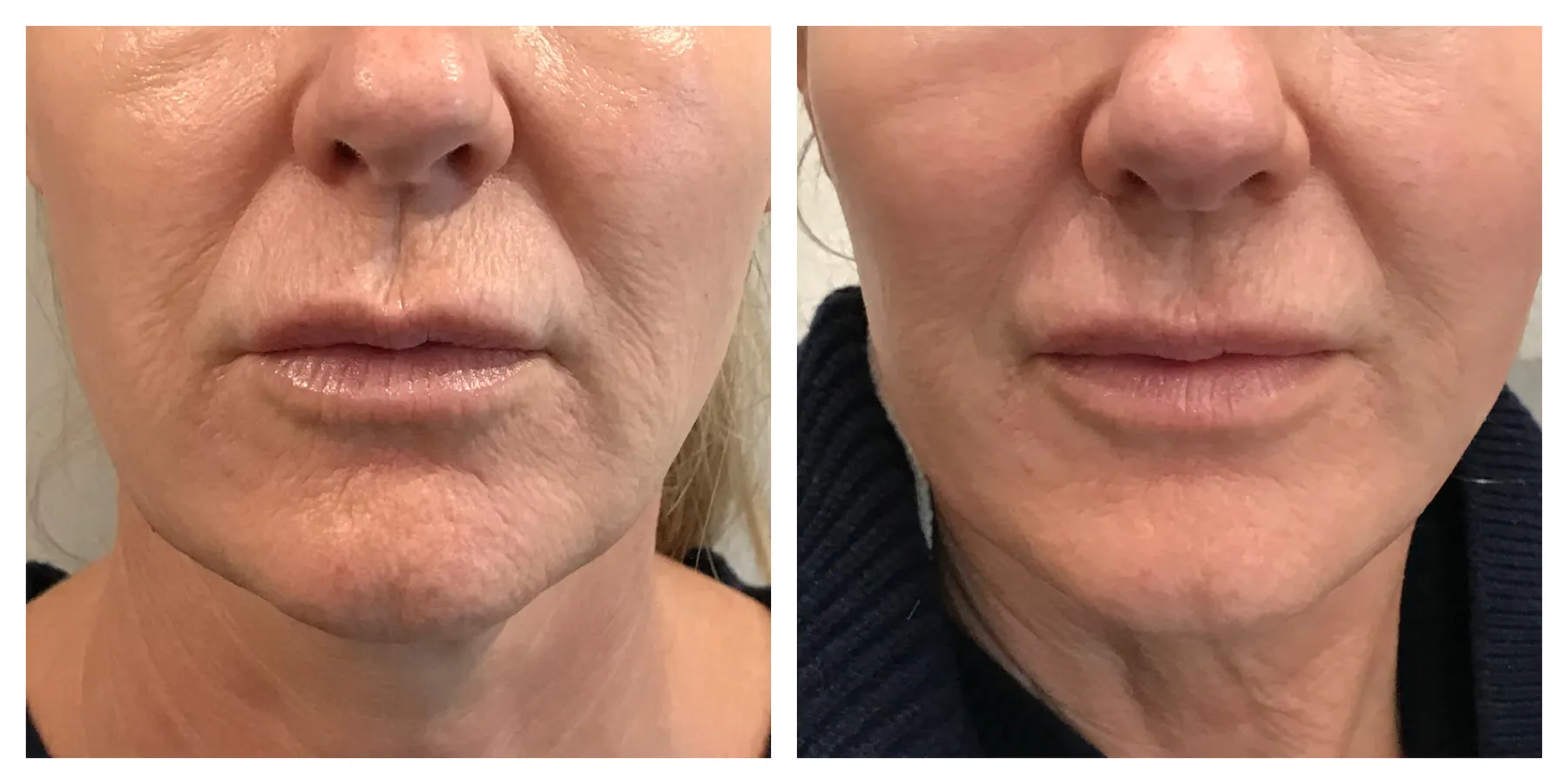
Your Skin in Your 40s: What’s Actually Changing (And What to Do About It)
Your 40s are a turning point for your skin. Natural collagen and elastin decline, cell turnover slows, the skin barrier weakens, and pigmentation becomes more noticeable making your long-standing skincare routine less effective than it once was. Rather than relying on heavier moisturisers or constantly switching products, the most effective approach is to first restore your skin barrier with a ceramide-rich routine, then introduce targeted treatments based on your specific concerns. Gentle options like Prism Plasma can improve texture and radiance with minimal downtime, while AgeJet delivers deeper collagen remodelling for wrinkles, skin laxity, and pigmentation. At Beautiphi, every treatment plan begins with a personalised skin assessment, ensuring you receive the right combination of at-home skincare and advanced in-clinic treatments for healthier, stronger, and more youthful-looking skin.
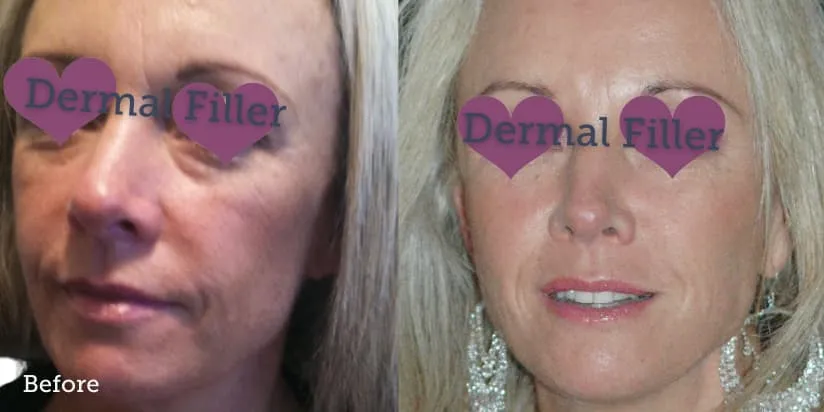
What Is a Microdose of Filler? The Natural Approach to Facial Rejuvenation
“Less is more” isn’t just a design philosophy — in the world of aesthetic medicine, it’s becoming the gold standard for beautiful, believable results. If you’ve ever looked in the mirror and wished you could look just a little more refreshed — without anyone being able to tell why — then microdosing filler might be … What Is a Microdose of Filler? The Natural Approach to Facial Rejuvenation…
Is Your Body Becoming Resistant to Botox? Here’s What You Need to Know
You’ve been getting Botox for a couple of years. The first few treatments were fantastic — smooth forehead, softened frown lines, a refreshed look that lasted months. But lately, something’s changed. The results don’t seem to last as long. Or maybe you’re not seeing much difference at all. It’s tempting to assume the worst — … Is Your Body Becoming Resistant to Botox? Here’s What You Need to Know…
For more information or to make a booking
Book online in a couple of minutes, or call the clinic and our team will help you choose the right treatment.