
Semaglutide in the Treatment of Addiction and Obesity
3 min read
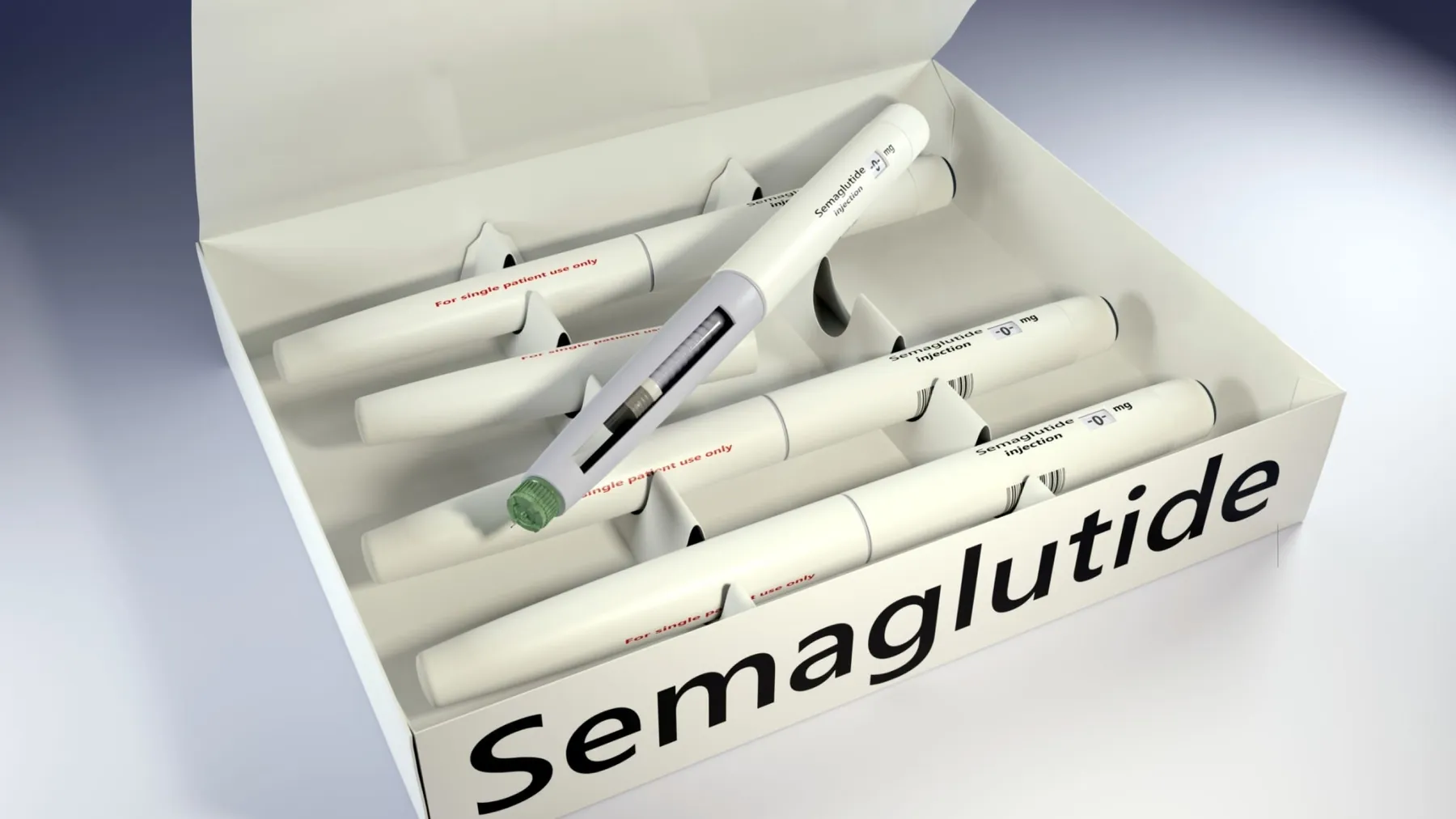
Exploring the science behind obesity and addiction
Obesity and addiction share a surprising connection rooted in brain science. When we eat or engage in addictive behaviours, the brain’s reward system releases feel-good chemicals like dopamine. In obesity, this system can go haywire, making people crave food excessively.
Overeating, especially foods high in sugar and fat, can lead to changes in the brain similar to those seen in drug addiction. Both conditions involve a struggle to resist impulses. Understanding this link helps researchers develop strategies to tackle obesity by addressing the brain’s reward pathways. Breaking the cycle involves not just willpower but also unravelling the intricate web of brain chemistry.How Semaglutide Works in Obesity and Addictive Behaviours
Semaglutide is a GLP-1 receptor agonist that helps regulate appetite and food intake by acting on brain regions involved in hunger and satiety. By slowing gastric emptying and increasing feelings of fullness, it supports reduced calorie intake and improved weight management.
In addition to regulating appetite, semaglutide may also influence reward-related pathways in the brain. These pathways are associated with cravings and compulsive behaviours, which is why researchers are examining their potential role in reducing certain addictive patterns, including overeating and substance-related cravings.
Understanding how semaglutide could help treat both conditions
With global incidences of obesity rising, finding new ways to approach the issue has become increasingly important. One possible solution is through the use of medications that are already on the market.
Recently, researchers have been examining the effects of Semaglutide, a medication used to treat type 2 diabetes, for its potential to help treat obesity. It has been found that not only does Semaglutide lead to significant weight loss, but it may also help treat addiction. Studies suggest that the medication has a positive effect on the reward pathways in the brain that are involved in addictive behaviour, which could provide a promising avenue for those struggling with both obesity and addiction. Understanding Semaglutide’s mechanism could be the key to successfully combating these two pervasive conditions.The benefits of combining Semaglutide with other therapies
Semaglutide, when combined with behavioural interventions, behavioural changes, counselling, and exercise programs, optimises weight loss, improves health outcomes, and addresses both physiological and psychological aspects of addiction treatment.
Enhanced weight loss
Combined with behavioural therapies and dietary interventions, Semaglutide’s appetite-suppressing effects can complement lifestyle changes, leading to more significant and sustained weight loss.
Improved lifestyle adherence
Integrating Semaglutide with counselling or support groups enhances patient adherence to healthier habits. The medication’s physiological effects synergise with behavioural strategies, promoting positive lifestyle changes.
Optimised physical activity
Coupling Semaglutide with exercise programs maximises weight loss outcomes. The medication’s impact on appetite control can support individuals in maintaining an active lifestyle, further contributing to overall health improvement.Comprehensive addiction treatment
In addiction therapy, combining Semaglutide with traditional approaches addresses both the physical and psychological aspects of dependence. This dual-action approach may reduce cravings and enhance the effectiveness of counselling and medication-assisted treatment.Holistic health benefits
By addressing both obesity and addiction concurrently, the combined approach with Semaglutide provides a holistic strategy for improving metabolic health and mental well-being. This comprehensive method considers the interconnected nature of these conditions, offering a more thorough and personalised treatment plan.Clinical Evidence Supporting Semaglutide
Multiple clinical studies have shown that semaglutide can lead to meaningful weight reduction when combined with lifestyle changes. Research indicates improvements in body weight, appetite control, and metabolic health outcomes in individuals with obesity.
Emerging studies are also examining its effect on addictive behaviours. Early findings suggest reduced cravings and improved impulse control in some patients, although this area continues to be studied and is not yet considered a standard treatment for addiction.
Including evidence-based discussion helps clarify where semaglutide is well established and where research is still developing.
Safety Considerations and Side Effects
Like any prescription medication, semaglutide may cause side effects. Commonly reported effects include nausea, digestive discomfort, and changes in appetite, particularly during the early stages of treatment.
Semaglutide is not suitable for everyone and should only be used under medical supervision. A thorough clinical assessment is essential to determine whether it is an appropriate option given the individual’s health history and treatment goals.
Keep reading
All blog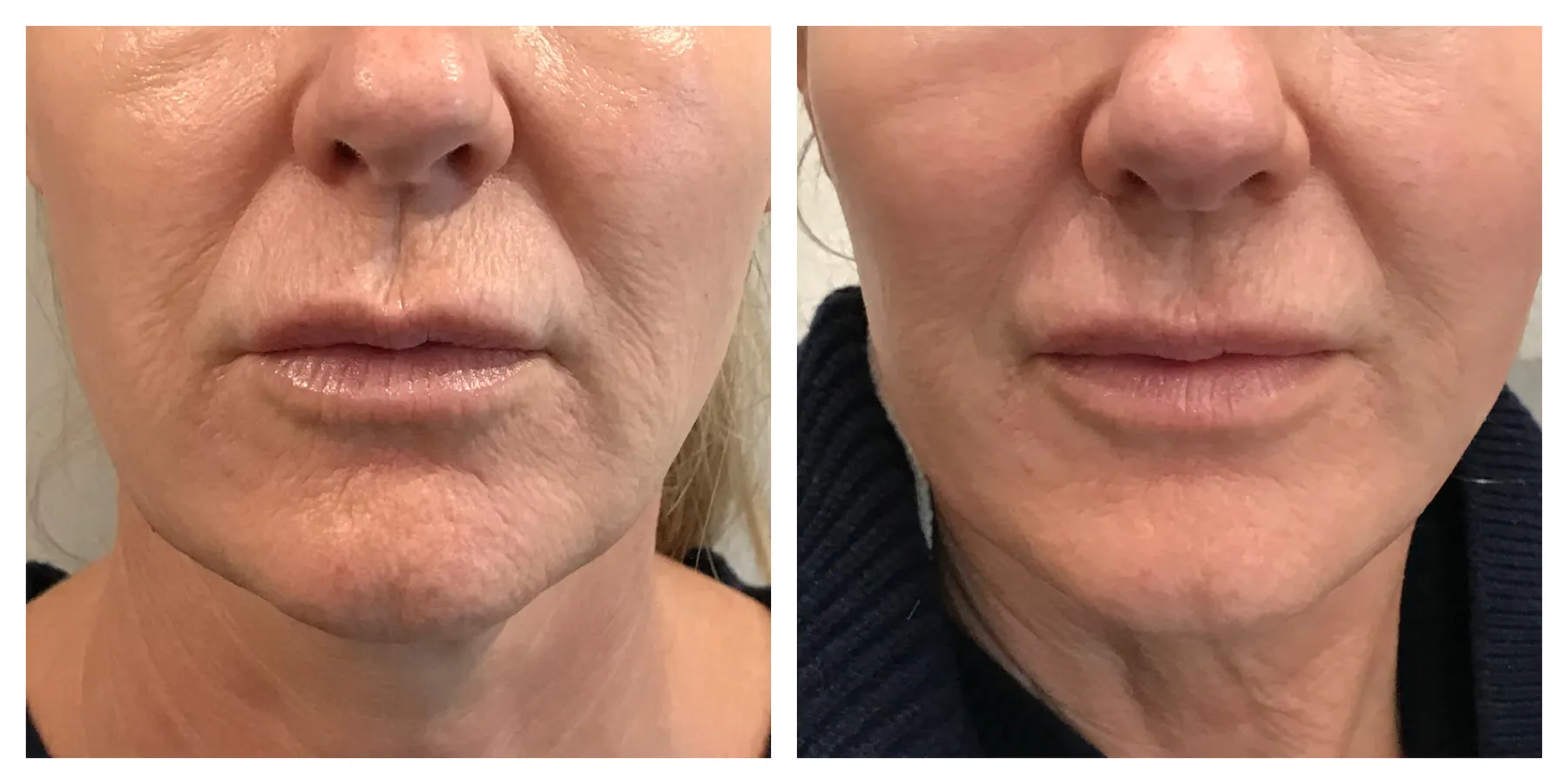
Your Skin in Your 40s: What’s Actually Changing (And What to Do About It)
Your 40s are a turning point for your skin. Natural collagen and elastin decline, cell turnover slows, the skin barrier weakens, and pigmentation becomes more noticeable making your long-standing skincare routine less effective than it once was. Rather than relying on heavier moisturisers or constantly switching products, the most effective approach is to first restore your skin barrier with a ceramide-rich routine, then introduce targeted treatments based on your specific concerns. Gentle options like Prism Plasma can improve texture and radiance with minimal downtime, while AgeJet delivers deeper collagen remodelling for wrinkles, skin laxity, and pigmentation. At Beautiphi, every treatment plan begins with a personalised skin assessment, ensuring you receive the right combination of at-home skincare and advanced in-clinic treatments for healthier, stronger, and more youthful-looking skin.
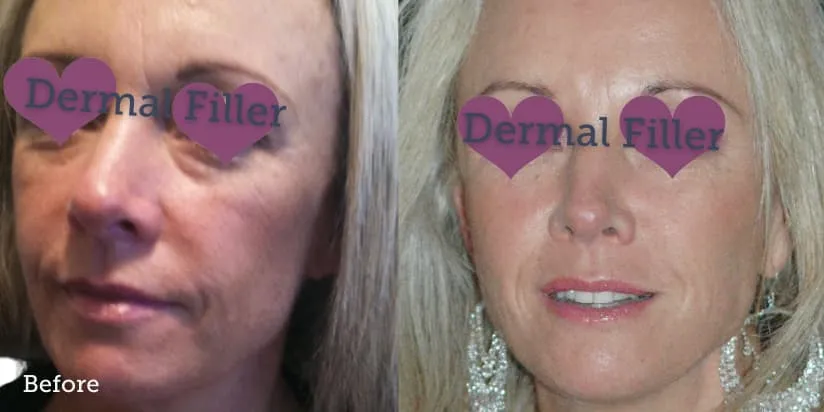
What Is a Microdose of Filler? The Natural Approach to Facial Rejuvenation
“Less is more” isn’t just a design philosophy — in the world of aesthetic medicine, it’s becoming the gold standard for beautiful, believable results. If you’ve ever looked in the mirror and wished you could look just a little more refreshed — without anyone being able to tell why — then microdosing filler might be … What Is a Microdose of Filler? The Natural Approach to Facial Rejuvenation…
Is Your Body Becoming Resistant to Botox? Here’s What You Need to Know
You’ve been getting Botox for a couple of years. The first few treatments were fantastic — smooth forehead, softened frown lines, a refreshed look that lasted months. But lately, something’s changed. The results don’t seem to last as long. Or maybe you’re not seeing much difference at all. It’s tempting to assume the worst — … Is Your Body Becoming Resistant to Botox? Here’s What You Need to Know…
For more information or to make a booking
Book online in a couple of minutes, or call the clinic and our team will help you choose the right treatment.