
How Does Hair Loss Affect Your Health? Strategies for Treatment and Prevention
3 min read
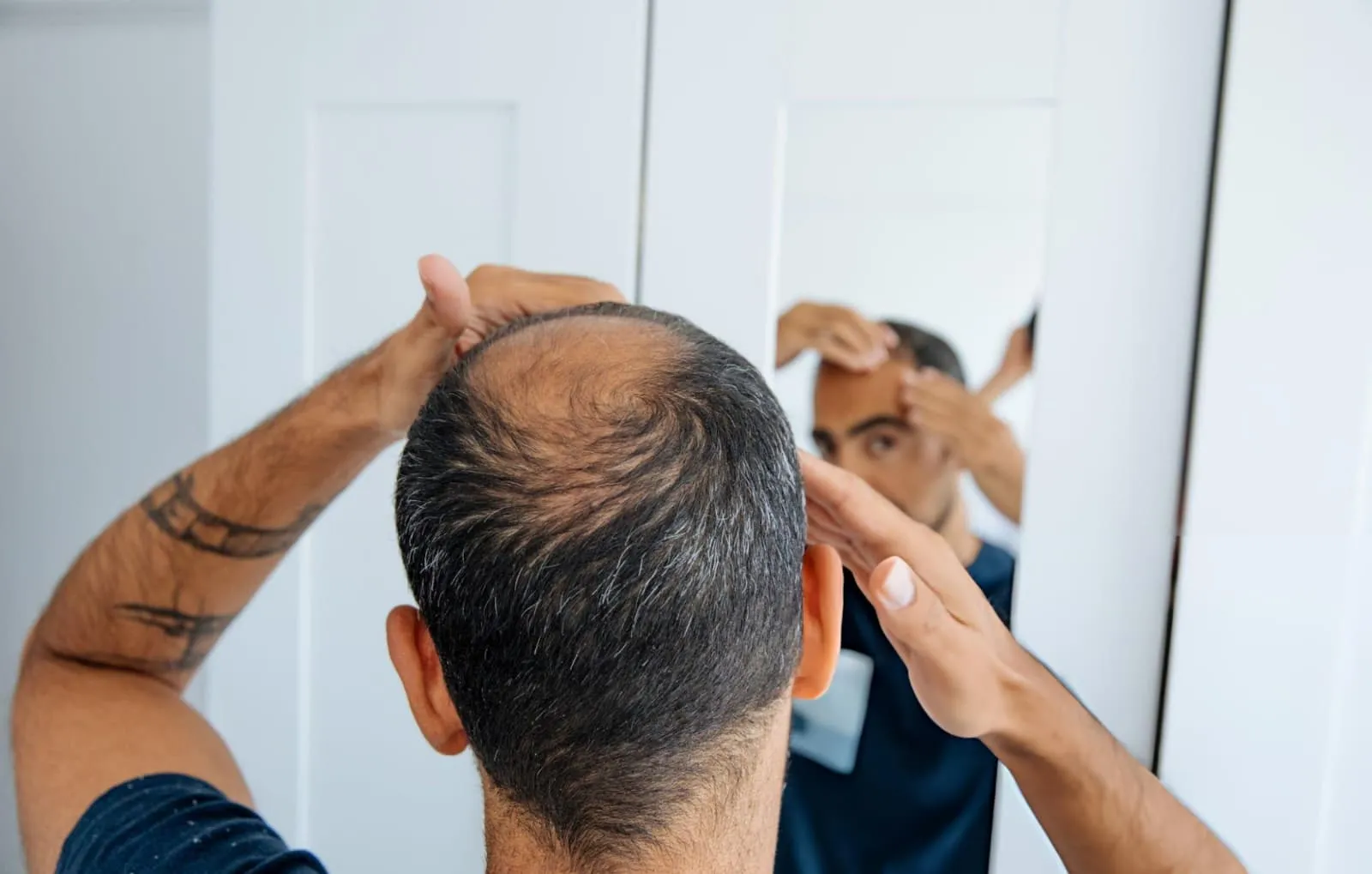
Hair Anatomy And Physiology
Hair is an incredible part of our bodies, with its unique anatomy and physiology. It grows from hair follicles embedded in the skin’s dermis. Each strand comprises a protein called keratin, which gives hair its strength. The hair shaft, the visible part, has three layers – the medulla, cortex, and cuticle. The medulla is the innermost layer, the cortex provides strength and colour, and the cuticle is the outer protective layer.
Understanding hair anatomy and physiology is important for proper hair care and addressing issues such as hair loss and damage. Regular washing, conditioning, and protection from excessive heat or chemicals maintain hair health. Balanced nutrition and hydration also support strong, vibrant hair. Appreciating hair’s structure and function enhances our overall well-being.
The Most Common Causes Of Hair Loss
Genetics
Hair loss can be inherited from family members, particularly through genes associated with pattern baldness. This hair loss typically follows a predictable pattern and is more common in men, although women can also be affected.
Hormonal Changes
Fluctuations in hormone levels, such as those occurring during pregnancy, childbirth, menopause, or due to thyroid imbalances, can disrupt the normal hair growth cycle. Hormonal changes can lead to temporary or permanent hair loss, depending on the underlying cause and duration of the imbalance.
Medical Conditions
Hair loss can result from medical conditions like scalp infections, autoimmune diseases, iron deficiency anaemia, and certain medications such as contraceptives, hormonal therapy, and chemotherapy.
Excessive stress and immune imbalance
Excessive stress can cause hormonal and immune imbalances, leading to hair loss as the immune system may attack hair follicles. Chronic stress can also trigger conditions like alopecia areata, resulting in patchy hair loss. Stress management may help reduce such hair loss.
Lifestyle Factors
Stress, poor nutrition, rapid weight loss, and harsh hairstyling practices (like tight ponytails, braids, or frequent use of heat styling tools) can damage hair follicles and increase shedding or breakage. Making healthy lifestyle choices and adopting gentle hair care practices can help minimise hair loss associated with these factors.
Treatment for Hair Loss
Platelet-Rich Plasma (PRTT) Therapy
Platelet-rich plasma (PRTT) treatment is a procedure for hair loss that involves extracting the patient’s blood, isolating the PRTT, and injecting it into the scalp. The platelets in PRTT stimulate hair follicles and increase blood flow, promoting hair growth. This minimally invasive procedure, usually done in multiple sessions, is promising for early-stage hair loss.
Low-Level Laser Therapy (LLLT)
Low-Level Laser Therapy (LLLT) is a non-invasive, painless treatment for hair loss. It uses low-power lasers or LEDs to stimulate hair follicle cell metabolism, promoting growth and density. It’s typically administered via devices like laser caps or helmets, with consistent use often leading to positive results.Scalp Micropigmentation (SMP)
Scalp Micropigmentation (SMP) is a cosmetic procedure used to address hair loss by creating the illusion of a fuller head of hair. It involves tattooing tiny dots on the scalp to mimic hair follicles. SMP can camouflage bald spots, create the appearance of a closely shaved head, and enhance the overall look of hair density.Hair Transplant Surgery
Hair Transplant Surgery involves extracting hair follicles from areas of dense hair growth, typically the back or sides of the scalp, and implanting them into thinning or balding areas. This procedure can restore natural-looking hair growth and is often used to treat male pattern baldness or other forms of hair loss.Hair Loss Diet
For healthy hair, it’s vital to give it enough nutrients. These five are especially important:
- Iron is crucial for maintaining healthy hair, as it supports the proper functioning of hair follicles and promotes oxygen transportation to the scalp, aiding in hair growth and strength.
- Protein is essential for hair health as it provides the building blocks for hair growth. It strengthens hair strands, promotes growth, and helps repair damaged hair. Including sufficient protein in your diet is vital for maintaining strong and healthy hair.
- Vitamin B, including Biotin and B-complex vitamins, is crucial for healthy hair growth, producing new hair cells and preventing hair loss and breakage.
- Vitamin C is essential for healthy hair growth as it helps produce collagen, a key component of hair structure, and aids in the absorption of iron, which is necessary for hair strength and vitality.
Keep reading
All blog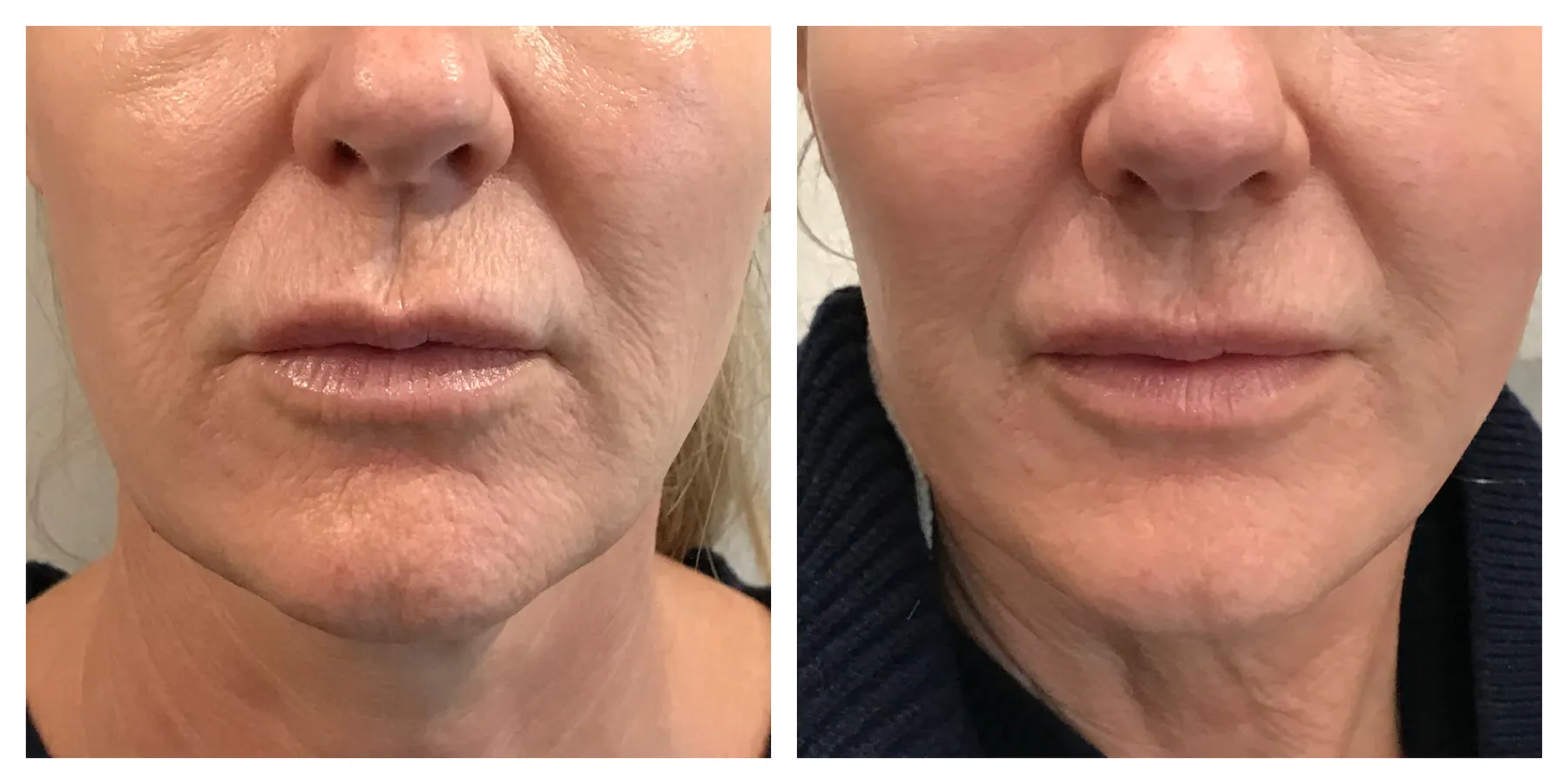
Your Skin in Your 40s: What’s Actually Changing (And What to Do About It)
Your 40s are a turning point for your skin. Natural collagen and elastin decline, cell turnover slows, the skin barrier weakens, and pigmentation becomes more noticeable making your long-standing skincare routine less effective than it once was. Rather than relying on heavier moisturisers or constantly switching products, the most effective approach is to first restore your skin barrier with a ceramide-rich routine, then introduce targeted treatments based on your specific concerns. Gentle options like Prism Plasma can improve texture and radiance with minimal downtime, while AgeJet delivers deeper collagen remodelling for wrinkles, skin laxity, and pigmentation. At Beautiphi, every treatment plan begins with a personalised skin assessment, ensuring you receive the right combination of at-home skincare and advanced in-clinic treatments for healthier, stronger, and more youthful-looking skin.
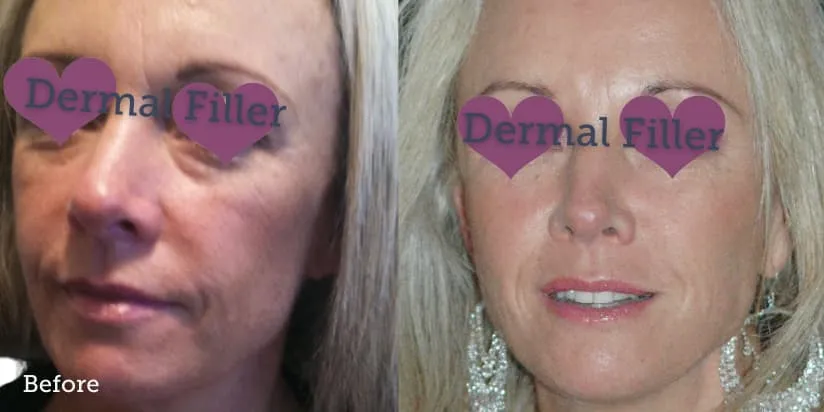
What Is a Microdose of Filler? The Natural Approach to Facial Rejuvenation
“Less is more” isn’t just a design philosophy — in the world of aesthetic medicine, it’s becoming the gold standard for beautiful, believable results. If you’ve ever looked in the mirror and wished you could look just a little more refreshed — without anyone being able to tell why — then microdosing filler might be … What Is a Microdose of Filler? The Natural Approach to Facial Rejuvenation…
Is Your Body Becoming Resistant to Botox? Here’s What You Need to Know
You’ve been getting Botox for a couple of years. The first few treatments were fantastic — smooth forehead, softened frown lines, a refreshed look that lasted months. But lately, something’s changed. The results don’t seem to last as long. Or maybe you’re not seeing much difference at all. It’s tempting to assume the worst — … Is Your Body Becoming Resistant to Botox? Here’s What You Need to Know…
For more information or to make a booking
Book online in a couple of minutes, or call the clinic and our team will help you choose the right treatment.